Navigating Tomato Export Price Volatility: An Essential Guide for International Buyers
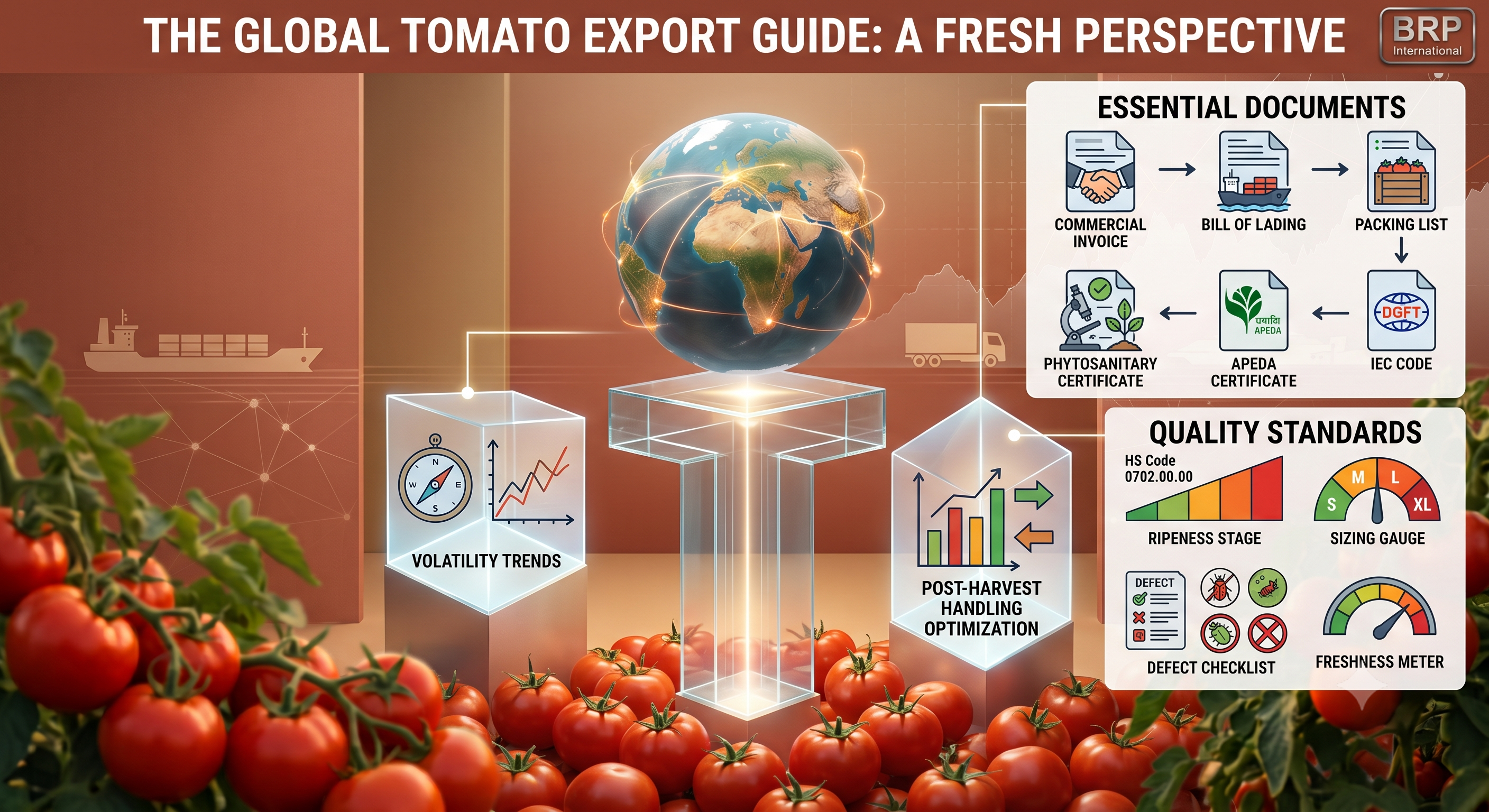
As a leading agricultural exporter from India, BRP International understands the intricate dance of global trade, especially when it comes to fresh produce like tomatoes. International buyers constantly seek high-quality, reliable sources, yet often grapple with the unpredictable nature of commodity markets. Tomato export price volatility is a prime example, posing significant challenges for importers worldwide. This comprehensive guide aims to demystify these fluctuations, arming international buyers with the knowledge and strategies needed to secure a stable and profitable supply chain.
The Global Appetite for Tomatoes and Inherent Instability
Tomatoes, a versatile staple in cuisines across the globe, are in perennial high demand. From fresh consumption to processed products like purees, pastes, and sauces, their importance in the food industry cannot be overstated. India, being one of the largest producers of tomatoes globally, plays a crucial role in meeting this demand. However, the very nature of agricultural products—being perishable, season-dependent, and susceptible to external factors—makes their pricing inherently volatile. For international buyers, understanding these underlying dynamics is the first step towards mitigating risk.
Key Drivers of Tomato Export Price Volatility from India
Several interconnected factors contribute to the unpredictable nature of tomato prices in the export market. These often originate at the farm level and ripple through the entire supply chain:
Seasonal & Weather Dependency
- Monsoons & Unseasonal Rains: India's agriculture is heavily reliant on monsoon rains. While vital for irrigation, excessive or untimely rainfall can devastate tomato crops, leading to reduced yields and immediate price spikes. Conversely, a good monsoon can lead to bumper crops and lower prices.
- Heatwaves & Droughts: Extreme heat or prolonged dry spells stress tomato plants, impacting fruit development and overall harvest volumes. Water scarcity directly affects production costs and availability.
- Frost & Cold Snaps: Though less common in major growing regions, sudden cold weather can damage tender tomato plants, especially during flowering and fruiting stages.
Pest, Disease, and Crop Yields
- Outbreaks: Tomato crops are vulnerable to various pests (e.g., fruit borers, whiteflies) and diseases (e.g., blight, leaf curl virus). Large-scale outbreaks can decimate entire fields, drastically reducing supply.
- Yield Fluctuations: Even without major disasters, natural variations in soil fertility, seed quality, and farming practices can lead to differing yields year-on-year, affecting overall market availability.
Logistics & Supply Chain Dynamics
- Transportation Costs: Fuel prices, labor wages, and vehicle availability directly impact the cost of moving tomatoes from farms to ports. Any surge in these can drive up export prices.
- Infrastructure Bottlenecks: Congestion at ports, inadequate cold storage facilities, or inefficient road networks can lead to delays, spoilage, and increased operational costs, all contributing to higher prices.
- Packaging & Handling: The cost of quality packaging materials and careful handling to preserve freshness also plays a role in the final export price.
Government Policies & Market Interventions
- Export Bans/Restrictions: To stabilize domestic prices or ensure food security, governments may occasionally impose temporary bans or restrictions on agricultural exports, causing international prices to surge due to reduced supply.
- Minimum Support Price (MSP): While primarily for domestic farmers, government policies influencing farmer remuneration can indirectly affect export pricing by setting a baseline cost.
- Import Duties & Tariffs: Reciprocal tariffs or duties in importing countries can add to the final cost for buyers.
Global Demand & Currency Fluctuations
- Shifting Demand: A sudden increase in demand from a major importing nation or a supply disruption in a competing exporter can push prices up.
- Exchange Rates: Fluctuations in the Indian Rupee against the US Dollar or other major currencies directly impact the cost of imports for international buyers. A weaker Rupee makes Indian exports cheaper, while a stronger Rupee makes them more expensive.
The Impact on International Buyers
Tomato export price volatility presents several critical challenges for international buyers:
- Budgeting & Financial Planning Hurdles: Unpredictable prices make it difficult to forecast costs, impacting profitability and long-term financial stability.
- Supply Chain Reliability Risks: Price spikes often coincide with supply shortages, meaning buyers might struggle to secure the required volumes, disrupting their own operations.
- Quality Consistency Concerns: During periods of scarcity, there's a risk of compromised quality as suppliers might rush to meet demand with less-than-optimal produce.
Strategic Approaches for International Buyers to Mitigate Risk
While volatility cannot be entirely eliminated, international buyers can implement several strategies to minimize its impact and ensure a stable supply of quality tomatoes:
Partner with Established Exporters (like BRP International)
Choosing a reputable and experienced exporter is paramount. BRP International, with its deep roots in Indian agriculture and extensive global network, offers:
- Reliable Sourcing: Access to a vast network of vetted farmers across multiple regions, ensuring diversified supply even during localized disruptions.
- Transparent Pricing: Clear communication on pricing structures and market trends, allowing for better planning.
- Robust Quality Control: Strict adherence to international quality standards from farm to port.
Embrace Long-Term Contracts & Forward Planning
Establishing long-term supply agreements can provide a degree of price stability and guaranteed volumes, reducing exposure to short-term market swings. Forward planning, based on seasonal forecasts and market intelligence, allows for proactive procurement strategies.
Understand Seasonal Cycles and Regional Variances
India has multiple tomato growing seasons across different states. By understanding these cycles, buyers can anticipate periods of abundance and scarcity, planning their procurement accordingly. For instance, while one region might be facing a lean period, another might be in peak harvest, offering alternative sourcing opportunities.
Leverage Market Intelligence & Data
Stay informed about weather forecasts, crop reports, government policy changes, and global demand trends. Reputable exporters often provide valuable market insights to their partners.
Prioritize Robust Quality Assurance
Insist on stringent quality checks at every stage, from farm to packaging. This ensures that even during periods of market pressure, the quality of your imported tomatoes remains uncompromised.
Why BRP International is Your Trusted Partner in Tomato Exports
At BRP International, we pride ourselves on being more than just an exporter; we are a strategic partner committed to your success. Our extensive experience in fresh fruits and vegetables, coupled with our rigorous quality control processes and transparent communication, makes us an ideal choice for navigating the complexities of tomato export price volatility.
We leverage our deep understanding of the Indian agricultural landscape, robust logistics infrastructure, and long-standing relationships with farmers to provide:
- Consistent supply of premium quality Indian tomatoes.
- Competitive and transparent pricing.
- Efficient and timely global delivery.
- Proactive communication on market dynamics.
Our commitment to excellence ensures that international buyers receive not just produce, but peace of mind.
Conclusion
Tomato export price volatility is an inherent characteristic of the global agricultural market. However, by understanding its drivers and implementing strategic mitigation measures, international buyers can significantly reduce their exposure to risk. Partnering with a reliable, experienced, and transparent exporter like BRP International is perhaps the most effective strategy. We empower you to make informed decisions, secure a consistent supply of high-quality Indian tomatoes, and build a resilient supply chain, irrespective of market fluctuations. Let us help you cultivate success in your international fresh produce ventures.