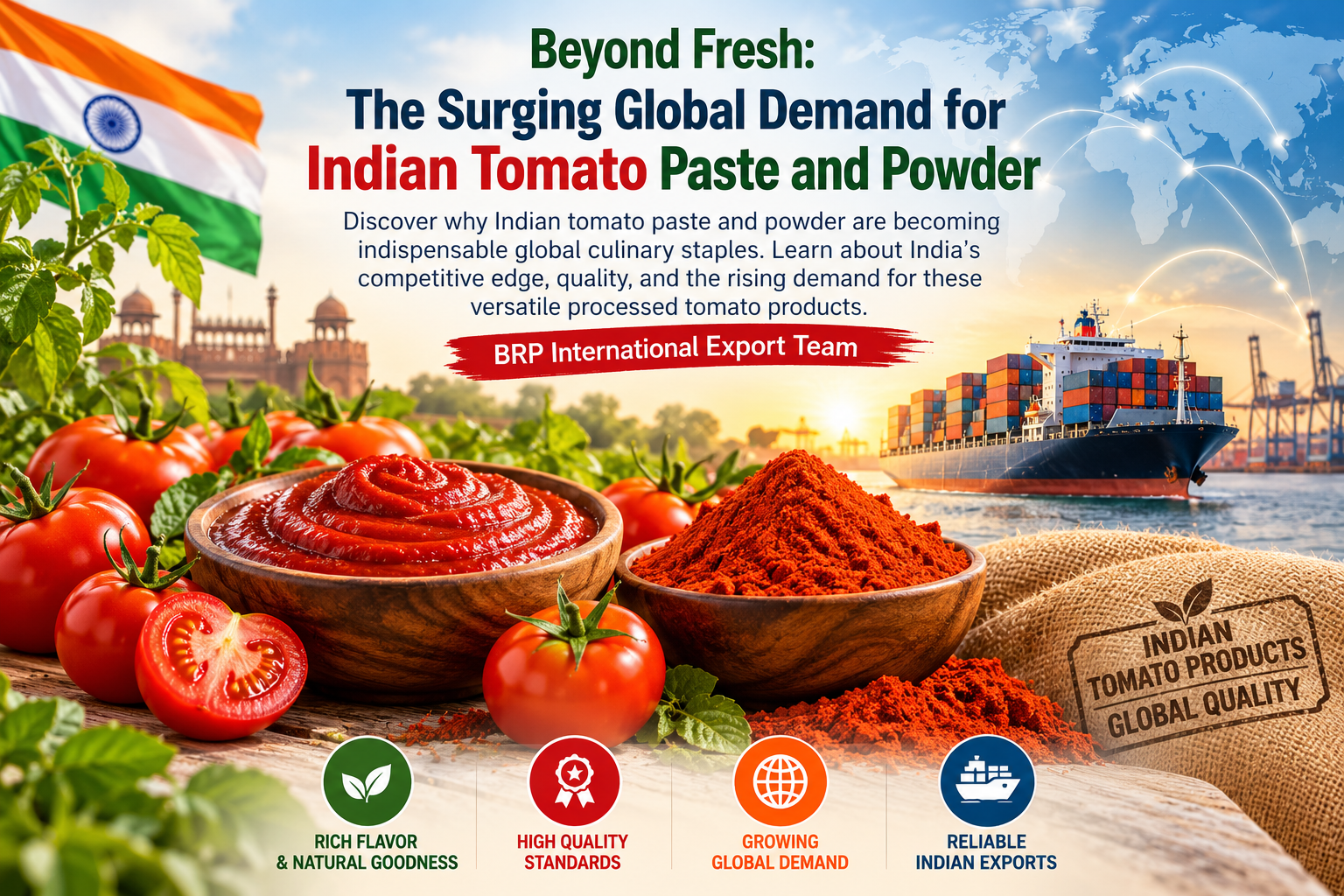
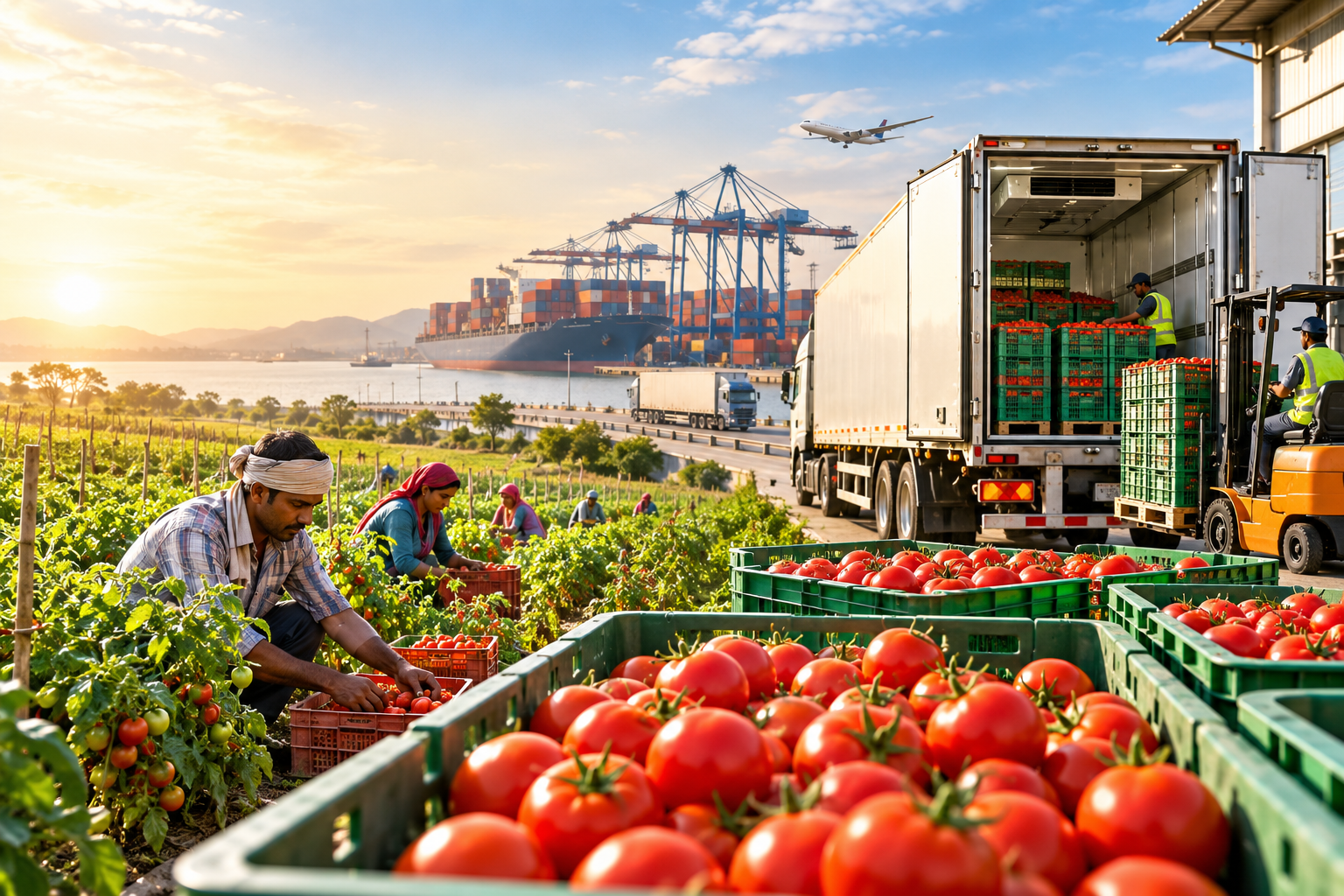
India, a land blessed with diverse agro-climatic zones, stands as one of the world's leading producers of fresh fruits and vegetables. Among these, the humble tomato holds immense potential for global export, both in its fresh form and as value-added processed products. At BRP International, we understand the intricate dance of agricultural export – from farm to global table. This comprehensive guide is designed to demystify the process, offering a clear roadmap for businesses eager to capitalize on the booming international demand for Indian tomatoes. Are you ready to discover how to navigate the complexities and reap the rewards of the global tomato market?
Why Export Tomatoes from India? A Global Appetite for Indian Produce
The global demand for tomatoes, driven by health consciousness and culinary versatility, continues to surge. India, with its robust agricultural infrastructure, diverse tomato varieties, and competitive pricing, is uniquely positioned to meet this demand. From the succulent Roma and cherry tomatoes sought after by European chefs to the robust processing varieties preferred by industrial buyers, India offers a spectrum of choices. Furthermore, the Indian government's supportive export policies and initiatives through bodies like APEDA (Agricultural and Processed Food Products Export Development Authority) provide a fertile ground for growth.
Market Opportunities: Fresh vs. Processed Tomatoes
- Fresh Tomatoes: Highly sought after in the Middle East, Southeast Asia, and parts of Europe, where freshness, flavor, and visual appeal are paramount. Varieties like Hybrid and Desi tomatoes are popular. Key markets include UAE, Saudi Arabia, Bangladesh, and Nepal.
- Processed Tomatoes: This segment offers even greater potential due to longer shelf life and diverse applications. Products include:
- Tomato Puree & Paste: Essential ingredients for sauces, soups, and ready meals.
- Diced & Crushed Tomatoes: Convenient for food service and retail.
- Tomato Ketchup & Sauces: Universally popular condiments.
- Sun-Dried Tomatoes: A gourmet item with growing demand.
Unlocking Global Markets: A Step-by-Step Guide to Exporting Fresh and Processed Tomatoes from India
Exporting agricultural produce requires meticulous planning and adherence to international standards. Here’s your detailed roadmap:
Step 1: Thorough Market Research & Product Selection
Before venturing into exports, comprehensive market research is crucial.
- Identify Target Countries: Research consumer preferences, import regulations, and potential competitors in various markets. Are they looking for fresh salad tomatoes or bulk paste for manufacturing?
- Product Specification: Understand the specific varietals, sizing, ripeness levels, and packaging required by your target market. For processed tomatoes, determine the brix level, acidity, and other quality parameters.
- Pricing Strategy: Analyze international market prices, freight costs, duties, and your production costs to set a competitive yet profitable price.
- Compliance with Standards: Different countries have varying Maximum Residue Limits (MRLs) for pesticides, heavy metals, and other contaminants. Ensure your tomatoes meet these stringent standards.
Step 2: Legal & Regulatory Framework – Establishing Your Export Foundation
Navigating the legal landscape is paramount for smooth operations.
- Exporter Registration: Obtain an Import Export Code (IEC) from the Directorate General of Foreign Trade (DGFT), a mandatory requirement for all Indian exporters.
- APEDA Registration: Register with the Agricultural and Processed Food Products Export Development Authority (APEDA). APEDA provides financial assistance, market intelligence, and promotes Indian agri-exports. This is vital for fresh and processed food products.
- FSSAI License: For processed tomato products, an FSSAI (Food Safety and Standards Authority of India) license is essential, ensuring your products meet domestic food safety standards before export.
- Plant Quarantine & Phytosanitary Certificates: For fresh tomatoes, obtaining a Phytosanitary Certificate from the Plant Quarantine Authorities is critical. This certificate confirms that the produce is free from pests and diseases, a non-negotiable requirement for most importing nations.
Step 3: Uncompromising Quality Assurance & Certification
Quality is the cornerstone of successful agricultural exports.
- Farm-Level Practices: Implement Good Agricultural Practices (GAP) for fresh tomatoes to minimize pesticide use, ensure proper harvesting techniques, and maintain hygiene. Organic certification can open premium markets.
- Processing Standards: For processed tomatoes, adhere to international food safety management systems like HACCP (Hazard Analysis and Critical Control Points) and ISO 22000. These certifications demonstrate commitment to safety and quality.
- Traceability: Establish a robust traceability system from farm to final destination. This builds trust and helps in quickly addressing any quality concerns.
- Shelf-Life Management: For fresh tomatoes, optimizing pre-cooling, cold chain management, and suitable varieties are crucial for extending shelf life during transit.
Step 4: Packaging, Labeling & Branding – Protecting Your Produce, Projecting Your Brand
Packaging plays a dual role: protecting the product and attracting buyers.
- Fresh Tomatoes: Requires sturdy, ventilated packaging (e.g., corrugated boxes, plastic crates) to prevent bruising and allow air circulation. Temperature-controlled packaging solutions are often necessary. Labeling must include variety, origin, net weight, and exporter details.
- Processed Tomatoes: Packaging must be airtight, food-grade, and suitable for long-distance transport (e.g., aseptic bags, cans, glass jars). Labeling must comply with the target country's regulations, including nutritional information, ingredients, manufacturing date, expiry date, and storage instructions.
- Branding: Develop appealing and informative branding that resonates with your target market while adhering to all regulatory guidelines.
Step 5: Efficient Logistics & Supply Chain Management
Timely and intact delivery is critical, especially for perishables.
- Cold Chain for Fresh: A continuous cold chain from farm gate to port of destination is non-negotiable for fresh tomatoes. Partner with reliable logistics providers specializing in refrigerated transport.
- Mode of Transport: Sea freight is cost-effective for bulk processed products and some fresh produce, while air freight is suitable for premium fresh tomatoes requiring rapid delivery.
- Incoterms: Clearly define Incoterms (International Commercial Terms) with your buyer to specify responsibilities for costs, risks, and insurance during transit (e.g., FOB, CIF, EXW).
Step 6: Mastering Documentation & Customs Procedures
Accurate and complete documentation prevents delays and penalties.
- Key Documents:
- Commercial Invoice: Details of the transaction.
- Packing List: Itemizes contents of each package.
- Bill of Lading (Sea Freight) or Air Waybill (Air Freight): Contract between the shipper and carrier.
- Certificate of Origin: Confirms the goods are produced in India, often required for preferential tariffs.
- Phytosanitary Certificate: (For fresh produce) Issued by Plant Quarantine authorities.
- Health Certificate: (For processed foods) May be required by some countries.
- Insurance Certificate: To cover risks during transit.
- Customs Clearance: Engage experienced customs brokers who understand agricultural product regulations in both India and the destination country.
Step 7: Financing & Payment Terms – Securing Your Transactions
Understanding payment mechanisms mitigates financial risks.
- Letters of Credit (LC): A secure method, especially for new trading partners, where a bank guarantees payment.
- Documents Against Acceptance (DA) / Documents Against Payment (DP): Less secure than LC but common for established relationships.
- Export Credit Insurance: Consider ECGC (Export Credit Guarantee Corporation of India) coverage to protect against non-payment risks.
Overcoming Challenges in Tomato Export
While rewarding, tomato export has its challenges:
- Perishability: For fresh tomatoes, maintaining quality and extending shelf life during long transit times is a constant battle. Solutions include advanced pre-cooling, cold storage, and modified atmosphere packaging.
- Market Fluctuations: Global prices can be volatile. Diversifying markets and product offerings (fresh vs. processed) can mitigate risks.
- Non-Tariff Barriers: Strict phytosanitary regulations, MRLs, and labeling requirements in importing countries demand continuous vigilance and compliance.
- Competition: India faces competition from other major tomato-producing nations. Focusing on niche markets, organic produce, or specific value-added products can create a competitive edge.
Partnering with BRP International: Your Trusted Gateway to Global Tomato Markets
At BRP International, we pride ourselves on being more than just an exporter; we are your strategic partner in agricultural trade. With extensive experience in exporting a diverse range of Indian agricultural products, including fresh fruits and vegetables, spices, rice, and pulses, we offer:
- Deep Market Expertise: Insights into global demand, pricing trends, and regulatory landscapes for fresh and processed tomatoes.
- Robust Supply Chain: A meticulously managed cold chain for fresh produce and efficient logistics for processed goods, ensuring optimal quality upon arrival.
- Unwavering Quality Control: Adherence to international standards (GlobalG.A.P., HACCP, ISO) from sourcing to delivery.
- Comprehensive Documentation Support: Guiding you through the complexities of permits, certificates, and customs clearance.
- Ethical Sourcing & Sustainability: Commitment to supporting local farmers and sustainable agricultural practices.
Let BRP International streamline your export journey, transforming potential into profitable global partnerships.
Conclusion: Seize the Global Tomato Opportunity
The global market for fresh and processed tomatoes offers immense growth potential for Indian businesses. By meticulously following these steps – from market research and regulatory compliance to quality assurance and efficient logistics – you can confidently navigate the export landscape. Partner with BRP International, and leverage our expertise to ensure your high-quality Indian tomatoes reach discerning customers worldwide. The world is waiting for your produce – let's unlock its potential together.